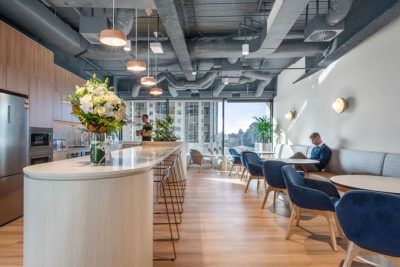

Because every employee experiences space differently.
Inclusive design isn’t just another trend: it’s the future of great design. When workspace design considers the full spectrum of human experience, we create spaces that are not only ethical, but more functional, beautiful, and sustainable for all.
Why it Matters
Research shows that 15–20% of employees are neurodivergent, with a wide range of physical, sensory, and cognitive needs. Traditional offices can unintentionally create barriers to focus and inclusion – affecting performance and retention.
When workplaces are designed to support different sensory preferences – light, sound, layout, texture, and choice – employees feel more comfortable, engaged, and productive. Inclusive environments don’t just feel better; they perform better.
- Diverse organisations are 33% more productive *
- Companies that embed inclusion report 21% higher profitability*
A relocation or refurbishment offers the ideal moment to embed these principles – aligning operational goals with culture, wellbeing, and brand experience.
Small changes, big impact
Many improvements are simple and cost-effective to integrate and can dramatically improve engagement and wellbeing – helping you to attract and retain the best team.
- Acoustics – Enhanced materials reduce background noise and sensory overload, allowing employees to focus for longer and communicate more effectively – a key driver of productivity in open-plan offices.
- Work Settings – Considered design to blend quiet zones, focus rooms, and social areas gives people choice and control over how they work. This flexibility supports concentration, collaboration, and wellbeing – all proven to lift engagement and retention.
- Lighting – Low-flicker, glare-free, dimmable lighting supports sensory comfort, mood, and circadian health, helping staff stay energised and alert throughout the day.
- Colour & Clarity – Calm colour palettes and clearly defined zones help people orient themselves quickly, reduce stress, and encourage smooth movement through the space.
- Biophilia – Introducing greenery, natural textures, and views to the outdoors restores calm, reduces fatigue, and promotes creativity – linked to measurable gains in employee satisfaction and performance.
- Ergonomics – Prioritise comfort and user control. Well-designed, adjustable workstations minimise physical strain and improve long-term health, reducing absenteeism and costs associated with workplace injuries.
- Social Inclusion – Amenities such as gender-neutral facilities, parenting rooms, social spaces and culturally relevant spaces reinforce a culture of respect and belonging – further enhancing your ability to support diverse talent.
Inclusive design in practice


Aussie Broadband
Sensory design guided the transformation of Aussie Broadband’s workplace. We balanced muted tones, acoustic treatments, greenery, and quiet zones to reduce overstimulation and enhance comfort. The result is a workspace where attendance and engagement continue to rise.
Spark New Zealand
Designed to reflect a connected and culturally rich vision, Spark’s inclusive workplace brings its people together under one roof – enhancing collaboration, efficiency, and cultural belonging.
Embracing neurodiversity as a strength
Neurodivergence isn’t a challenge to manage – it’s a superpower to unlock. People who think differently often bring exceptional focus, creativity, logic, and attention to detail. Sensory-aware design will ensure that your team can work to their best ability in a supportive environment where they can thrive.
Talk to us about the next steps
At Cachet Group, we design and construct workspaces that enable people to perform at their best.
Talk to our team about getting started and how you can maximise the opportunity to create a space with wellbeing, productivity, and purpose in mind.
SYDNEY: +61 (0) 2 9241 7755
MELBOURNE: +61 (0) 3 9988 2988
BRISBANE: +61 (0) 2 9241 7755
AUCKLAND: +64 (0) 9 302 3066
EMAIL: [email protected]
* Diverse organisations are 33% more productive – Source https://www.mckinsey.org/
* Companies that embed inclusion report 21% higher profitability – Source The DEI Business Case: How DEI Drive Business Success